
Pleasurable Encounters: Late Spring Edition
Pleasurable Recommendations by Yours, Truly
We’re back with Pleasurable Encounters — a way to share recent Pleasures I’ve experienced, and a recommendation guide of sorts for Pleasure-seeking. I hope some of these Pleasures provide inspiration for you to go out and gather some of your own Pleasure, and guide you towards a closer encounter with personal joy. I hope to make these recommendations part of paid subscriptions in the future, so please do subscribe and upgrade as to not miss out.
Late Spring Pleasurable Encounters
Thankfully, the stuckness I wrote of in early Spring has since thawed out. Perhaps the warm weather really does stimulate more creativity, spontaneity, and general outness in the world. Who knew!
Watch
I know I am very late to this, but I had been putting off watching Harold and Maude (1971) for some reason, for years — until the other week. It was not what I had been expecting at all (I love to go into things completely blind).
The story of the emotional and romantic bond between a death-obsessed young man (Bud Cort) from a wealthy family and a devil-may-care, bohemian octogenarian (Ruth Gordon).
The first 30 minutes of the film, I thought I had been watching a movie set and filmed in the British countryside, with its lush green landscapes, opulent castle-manor house, weirdly unplaceable British-transatlantic accents of its main actors, and the very formal suiting and costumes of its bourgeois characters.
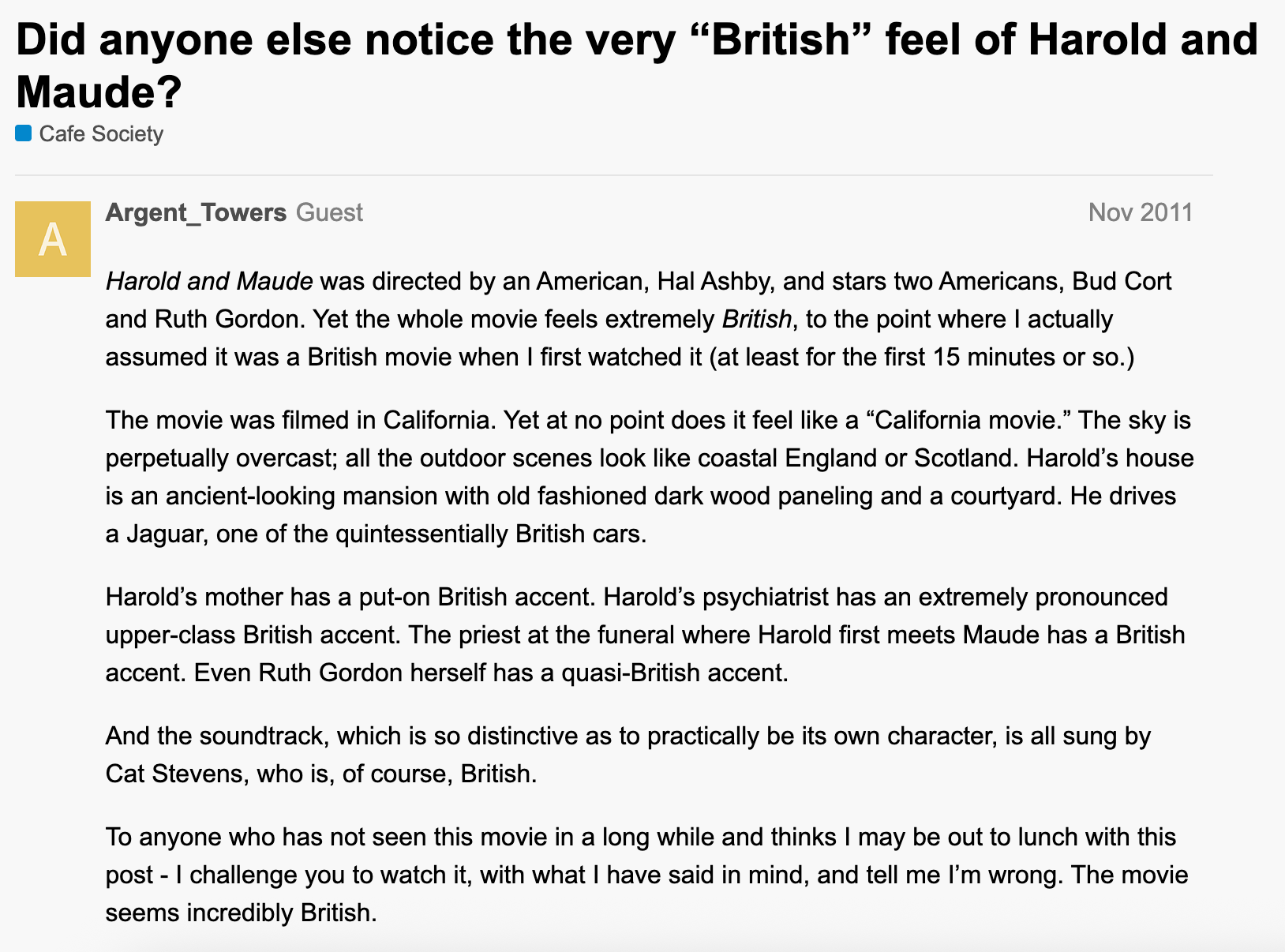
Clearly, I was not the only one that thought this. Has anyone else, apart from this lone message board noticed the Britishisms of the film? DM me your theories.
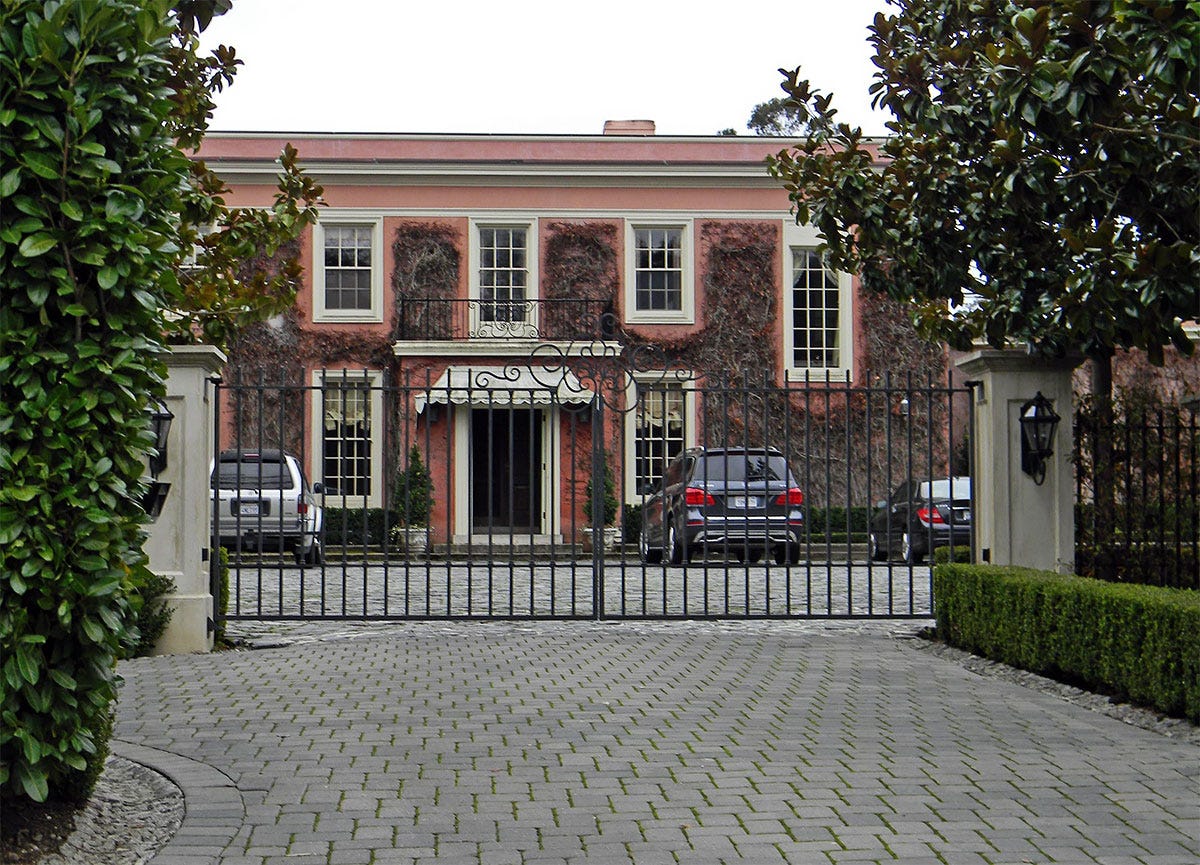
However, I was aghast to find out that the film takes place in none other than my home state — California! — which made me nostalgic for a Northern California / San Francisco of the days of yore that I had no part in. Specifically, I was taken by the house Harold lives in, located in the town of Hillsborough, which I soon learned is one of the wealthiest enclaves in the country. I yearn for the days of the pre-tech boom of the Bay Area, when the old money/ gilded opulence of the city was at the forefront, and homes like the below were built for newspaper scions.
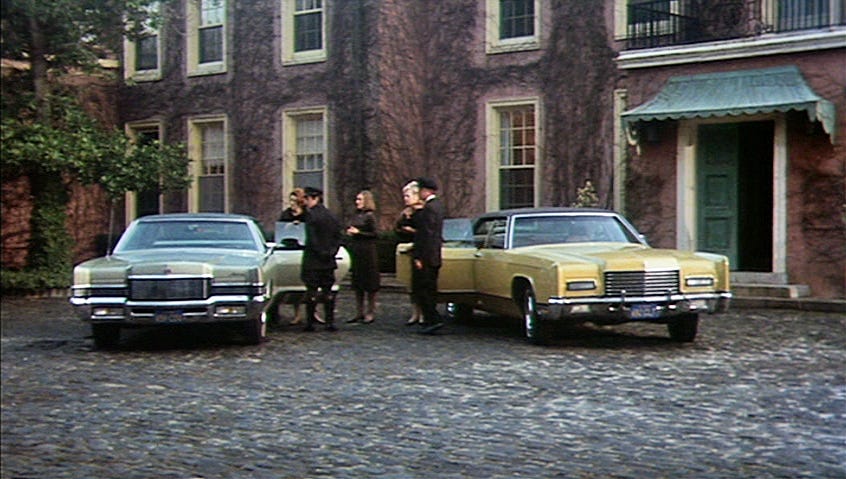
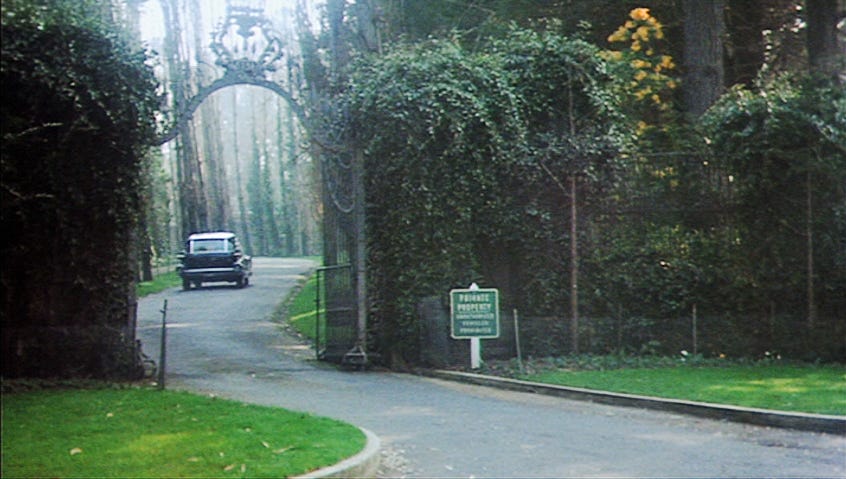

I would have sworn the Rosecourt house from Harold and Maude was in Devonshire, England. But no!
Read
Someone slid through my DM’s the other day…
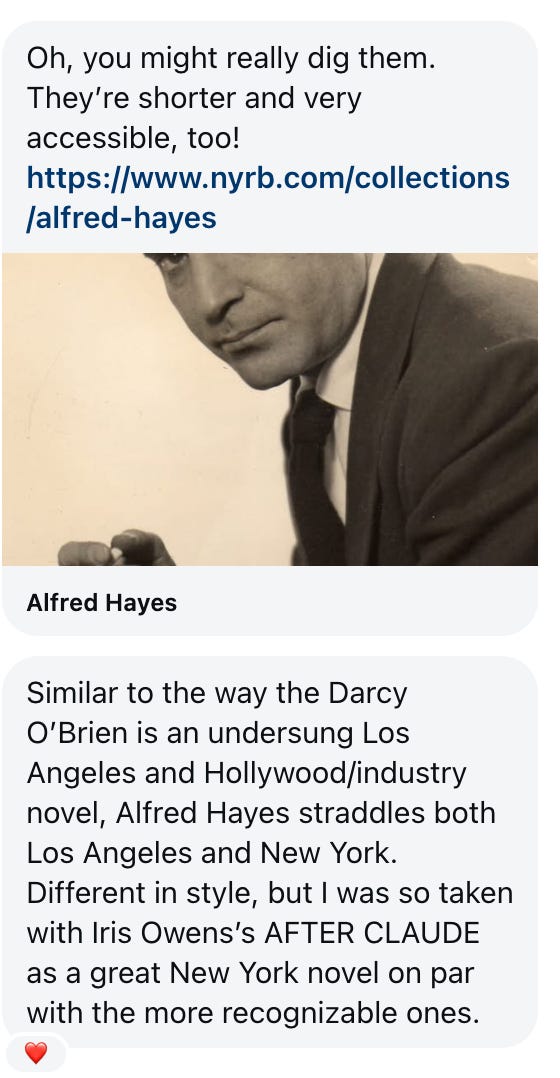
I received the message above in response to a photo of one of my favorite books below, published by The New York Review of Books, which I have yet to tell you about. But, my friends, that is a post for another time:
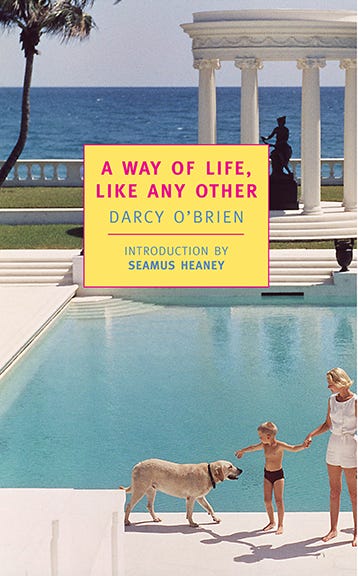
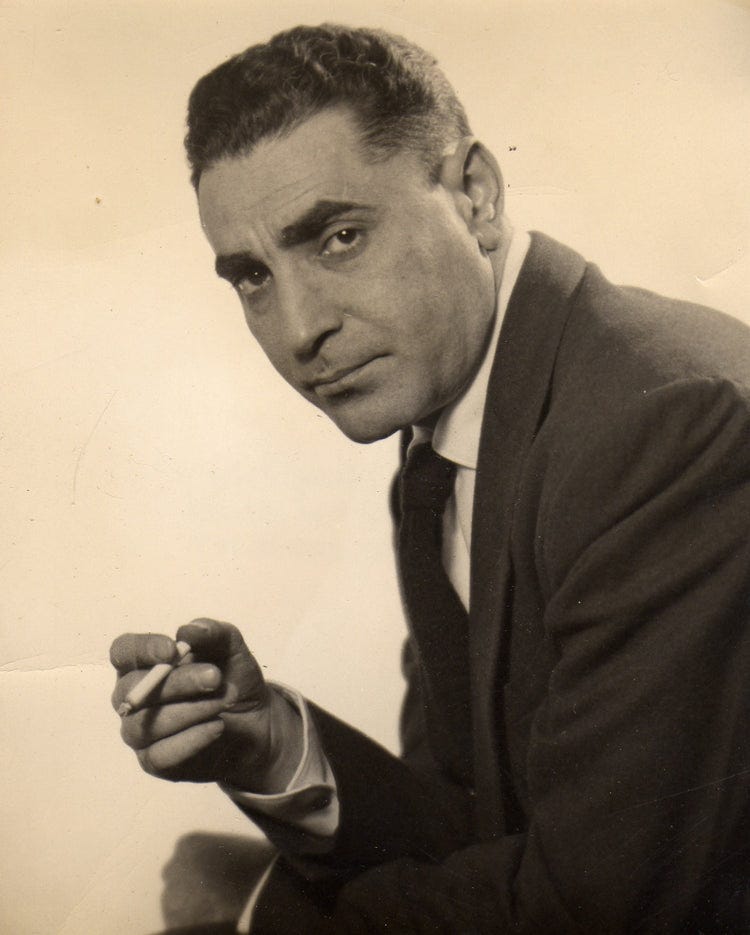
I hadn’t heard of Alfred Hayes previously; thank heavens for the power of DM suggestion. A brief bio:
Alfred Hayes (1911–1985) was born into a Jewish family in Whitechapel, London, though his father, a barber, trained violinist, and sometime bookie, moved the family to New York when Hayes was three. During World War II, Hayes was assigned to a special services unit in Italy; after the war he stayed on in Rome, where he contributed to the story development and scripts of several classic Italian neorealist films, including Roberto Rossellini’s Paisan (1946) and Vittorio De Sica’s Bicycle Thieves (1948). In the late 1940s Hayes went to work in Hollywood, writing the screenplays for Clash by Night, A Hatful of Rain, The Left Hand of God, Joy in the Morning, and Fritz Lang’s Human Desire.
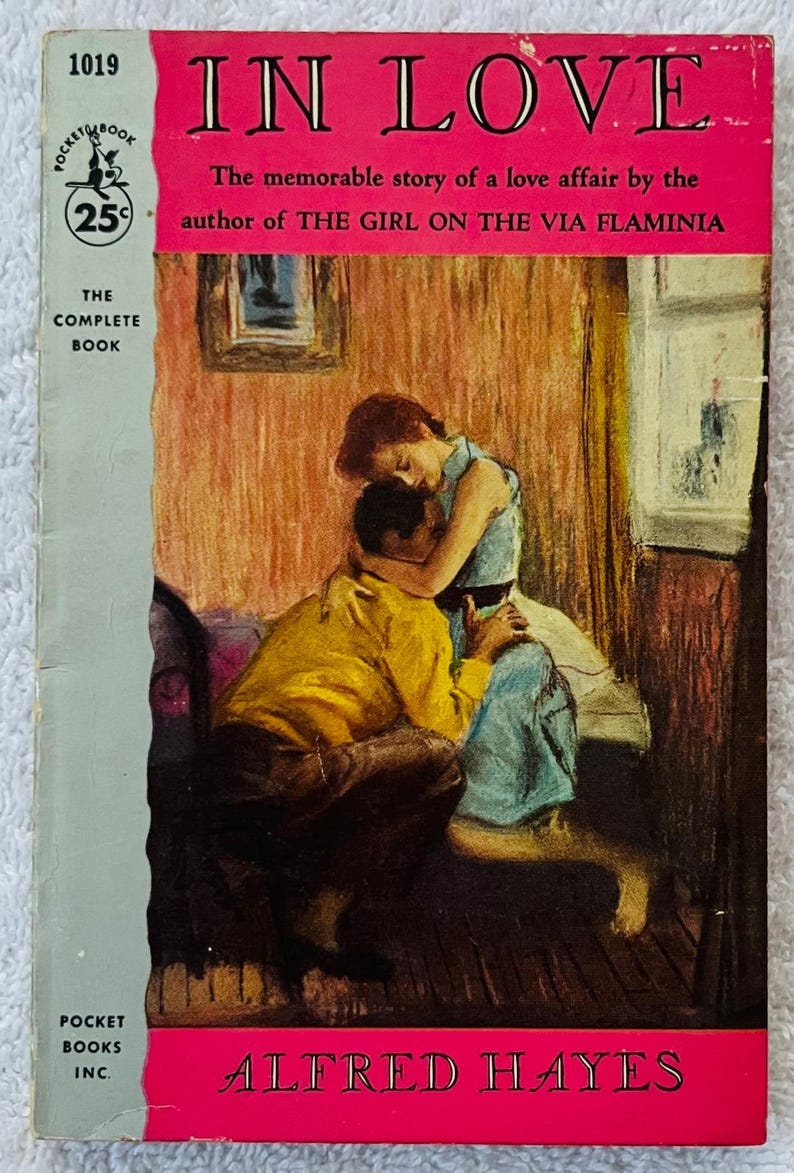
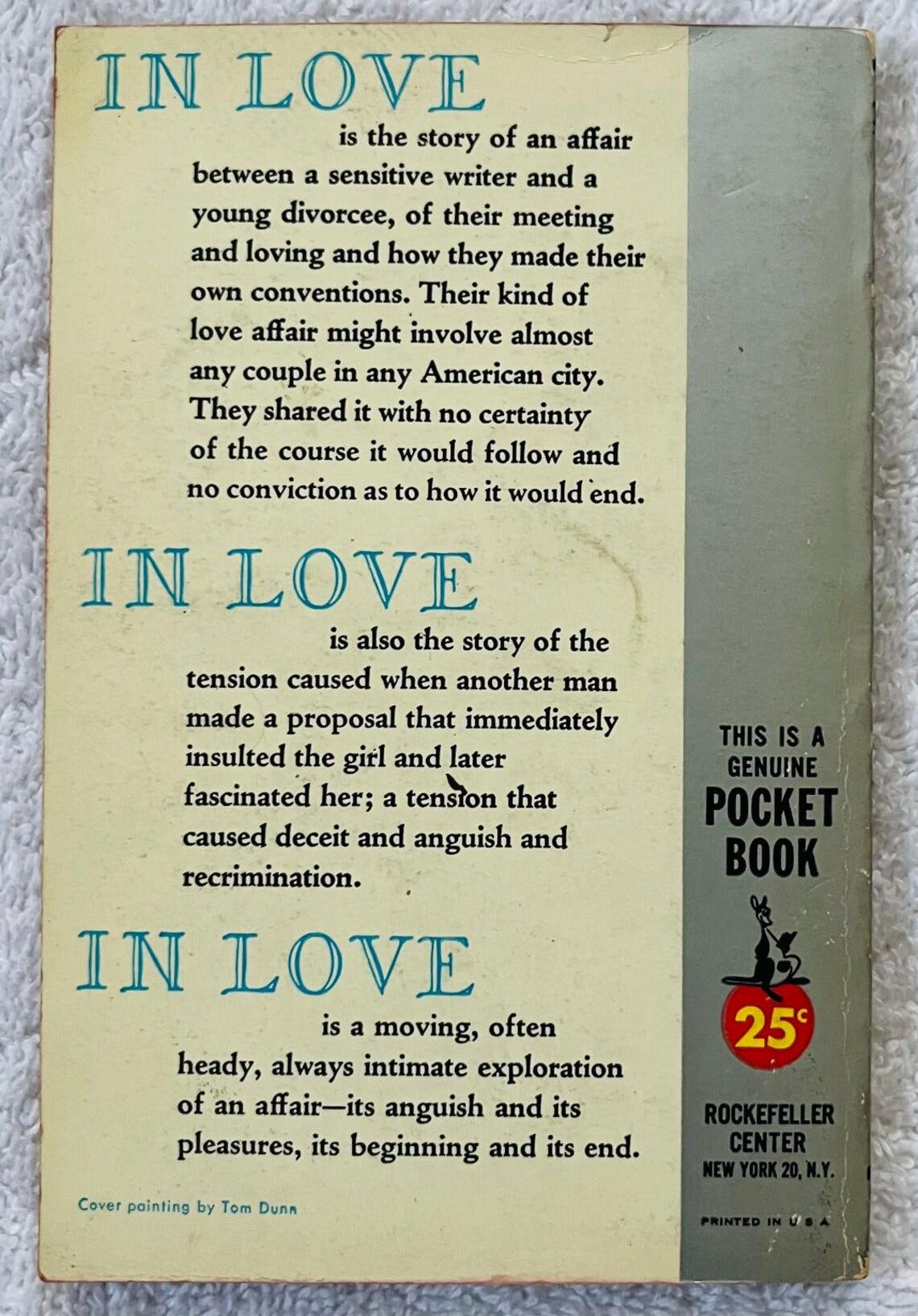
The dark, noirish slant of his novels twist and turn through New York and Hollywood — exposing a seamy, dark sliver of Gotham and Los Angeles. Writhing through his painful love affairs, he writes with such prescient, clear prose, it feels shockingly contemporary. I started with In Love (1953) — the Manhattan-set novel of a man’s affair with a woman — and its ultimate demise:
New York in the 1950s. A man on a barstool is telling a story about a woman he met in a bar, early married and soon divorced, her child farmed out to her parents, good-looking, if a little past her prime.
“In Love” evokes a drab New York of empty lives and emptier hotel rooms, reminiscent of Hopper. —via Los Angeles Review of Books
My Face for the World to See (1958) is the imagined follow-up to the protagonist’s Manhattan affair gone wrong.
Set in Hollywood, at a party, the narrator, a screenwriter, rescues a young woman who staggers with drunken determination into the Pacific. He is living far from his wife in New York and long ago shed any illusions about the value of his work. He just wants to be left alone. And yet without really meaning to, he gets involved with the young woman, who has, it seems, no illusions about love, especially with married men.
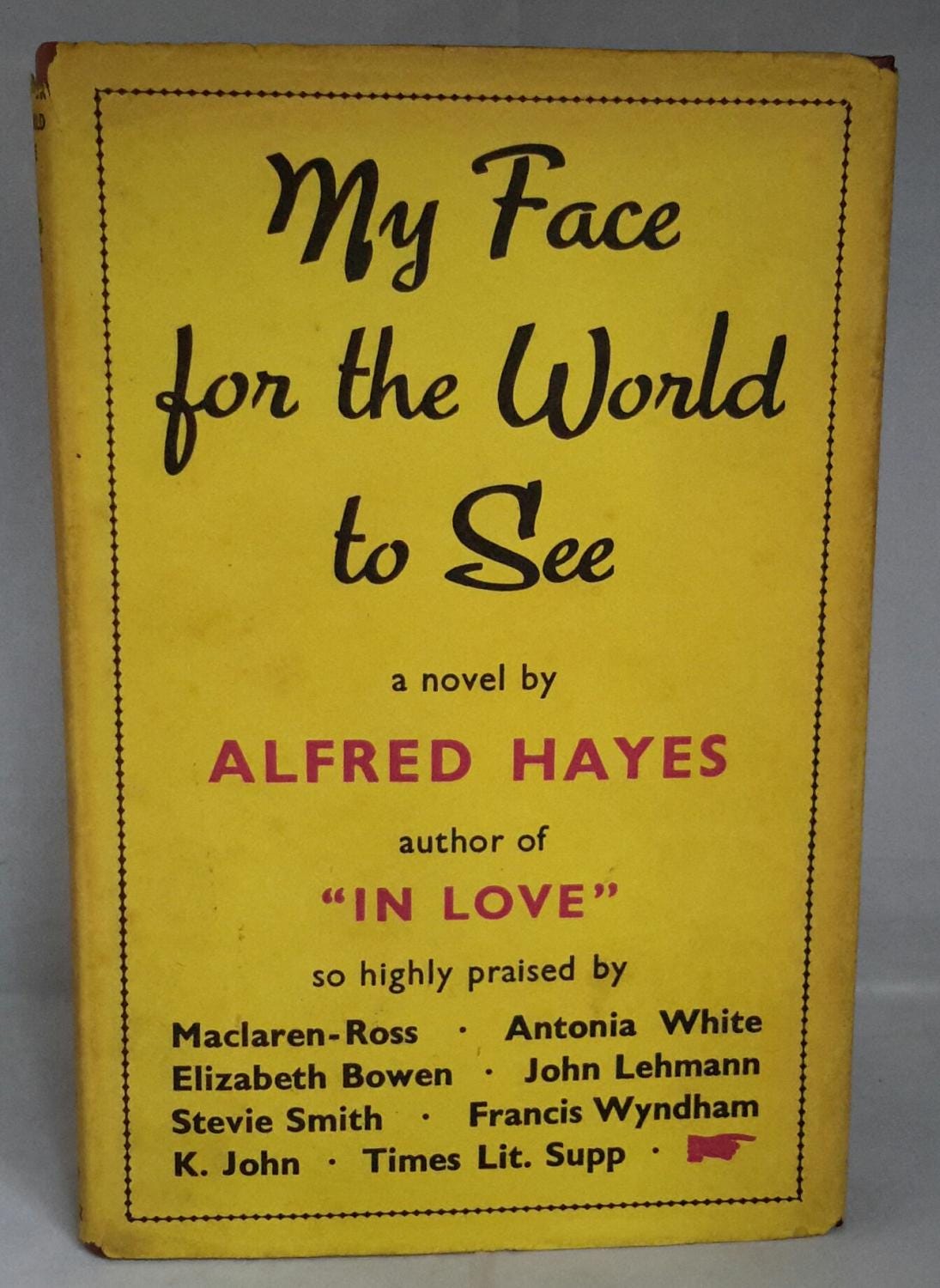
Hayes’s Hollywood is full of crack-ups and broken relationships. —LARB
His cynical take on Hollywood is not dissimilar to those other auteurs of the hard-boiled noir-grit genre, like The Day of the Locust by Nathanael West and The Long Goodbye by Raymond Chandler.
Hayes’ writing feels dark, smoky and sexy, albeit melancholic. Growing up in L.A., you are almost acutely aware that it’s a city of ghosts — both figuratively and literally — which My Face for the World to See captures in a feeling of romantically dark nostalgia.
So, what are your Pleasures, experienced and found? Do let me know below.
Pleasurable Prescriptions…
…A new advice column in which I provide an Rx Prescription for those in need of Pleasure. Are you Weary, Lethargic, Lacking Vigor? Drop me your Pleasure queries below, and I’ll write a prescription to boost your Pleasure in forthcoming installations.
In Case You Missed It:
Books & Movies: Comparative Literature

Comparative Literature is best enjoyed with a paid subscription. To continue receiving these highlights, upgrade your subscription now.
Winter Edition: Pleasurable Encounters
We’re back with Pleasurable Encounters — a way to share recent Pleasures I’ve experienced, and a recommendation guide of sorts for Pleasure-seeking. I hope some of these Pleasures provide inspiration for you to go out and gather some of your own Pleasure, and guide you towards a closer encounter with personal joy. I hope to make these recommendations part of
Pleasures, Curated
Each week a member from The Pleasure Lists community curates a selection of their Pleasures, along with a Q&A about what makes them tick. Become a paid subscriber so you don’t miss out!
Why submit a list?
Pleasure Lists are a summary of what you need, want, or have, or see at a particular moment in time. They are a survey, an overview, a summary of the crucial facts of the state of one aspect of your life. It’s a kind of blueprint that can be a guide to the future.
Mull it over and if you’re moved to, send me a list.
Join the chat below to connect with other members of the Pleasure List community:

Questions? Comments? Send any recommendations or suggestions for what you’d like to see in these newsletters my way. I’d love to hear more about what you’re currently finding Pleasure in.
Please share this newsletter! The Pleasure Lists is meant to be a collaborative project that calls people from all over to write, read, and share their pleasures — a global community of artists, writers, and pondering minds alike.